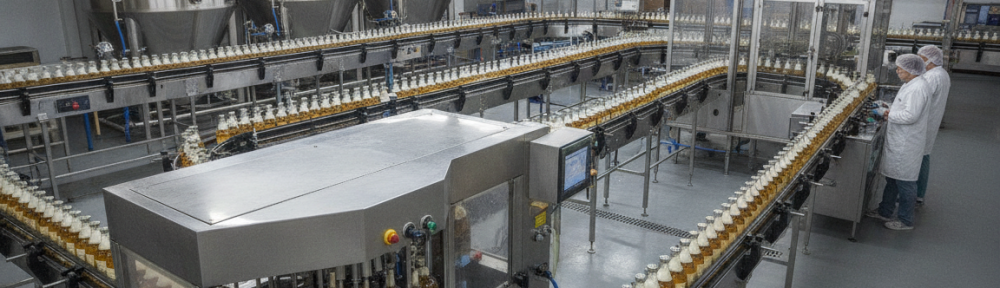
Bottling is the final, high-importance stage in turning a craft recipe into a market-ready product. The right Brewery Bottling Equipment and brewery packaging equipment improve safe transfer, steady carbonation, and professional presentation for beer, wine, mead, kombucha, and cider.
Beer Brewery Equipment
This guide directs U.S. brewers as they move from small home setups to complete production lines. It covers small bench-top Beer Equipment For Sale and Home Beer Brewing Equipment For Sale options for 1- and 5-gallon batches. It also explains mid-scale fillers and fully automated bottling line equipment for commercial brewery operations.
Product categories discussed feature beer bottling kits, wine kits with corkers, mead-specific systems to reduce sediment, and kombucha kits designed for flip-top second fermentation. Supporting items such as auto-siphons, tubing, funnels, caps, corks, cappers, and hydrometers are also explained.
Readers will learn how Beer Brewery Equipment decisions affect oxygen exposure, sanitation, and production throughput. The article will also point to trusted sources for parts and plumbing, including Installation Parts Supply, to help brewers complete or upgrade their bottling systems.
Important Takeaways
- Proper Brewery Bottling Equipment supports product quality and consistency.
- Available options extend from Home Beer Brewing Equipment For Sale to fully automated bottling line equipment.
- Supporting tools such as tubing, caps, and hydrometers are important for safe transfer, sealing, and testing.
- Brewery packaging equipment decisions influence oxygen pickup, carbonation accuracy, and shelf stability.
- Brewers in the U.S. can order parts, consumables, and plumbing supplies from suppliers such as Installation Parts Supply.
Overview Of Brewery Bottling Equipment And Its Role In Production
The bottling stage is the final process that protects flavor, carbonation, and shelf life. It helps provide proper sealing and sanitation to prevent contamination and limit oxygen intake. The right Beer Brewery Equipment is essential for maintaining aromas and carbon dioxide levels, ensuring consistent quality.
Different drinks require different bottling methods. Beer needs tight oxygen control and consistent fill levels. Wine and mead need low-disturbance transfer and corking to preserve delicate flavors. Kombucha and cider commonly use flip-top bottles or light-pressure seals to manage secondary fermentation while avoiding overcarbonation.
There are multiple options available for different needs. Homebrewers find beer bottling kits and Home Beer Brewing Equipment For Sale useful for small batches. Commercial brewers choose semi-automatic or fully automated fillers and cappers to meet their demands. Choosing compatible parts across styles lowers changeover time and saves costs.
The best equipment choice depends on production scale. Bench-top systems for 1–5 gallon runs are ideal for hobbyists who want hands-on control. Small commercial operations often use semi-automatic fillers, cappers, and labelers for moderate throughput. High-capacity breweries invest in integrated lines with depalletizers, fillers, labelers, cartoners, and palletizers to reach thousands of bottles each hour.
Sanitation is essential at every scale. No-rinse sanitizers make easier cleaning, while reuse rules usually require fresh caps or corks for every run. Testing tools such as hydrometers check that fermentation is complete before bottling, reducing the risk of overcarbonation and broken bottles.
Brewery Bottling Equipment Guide
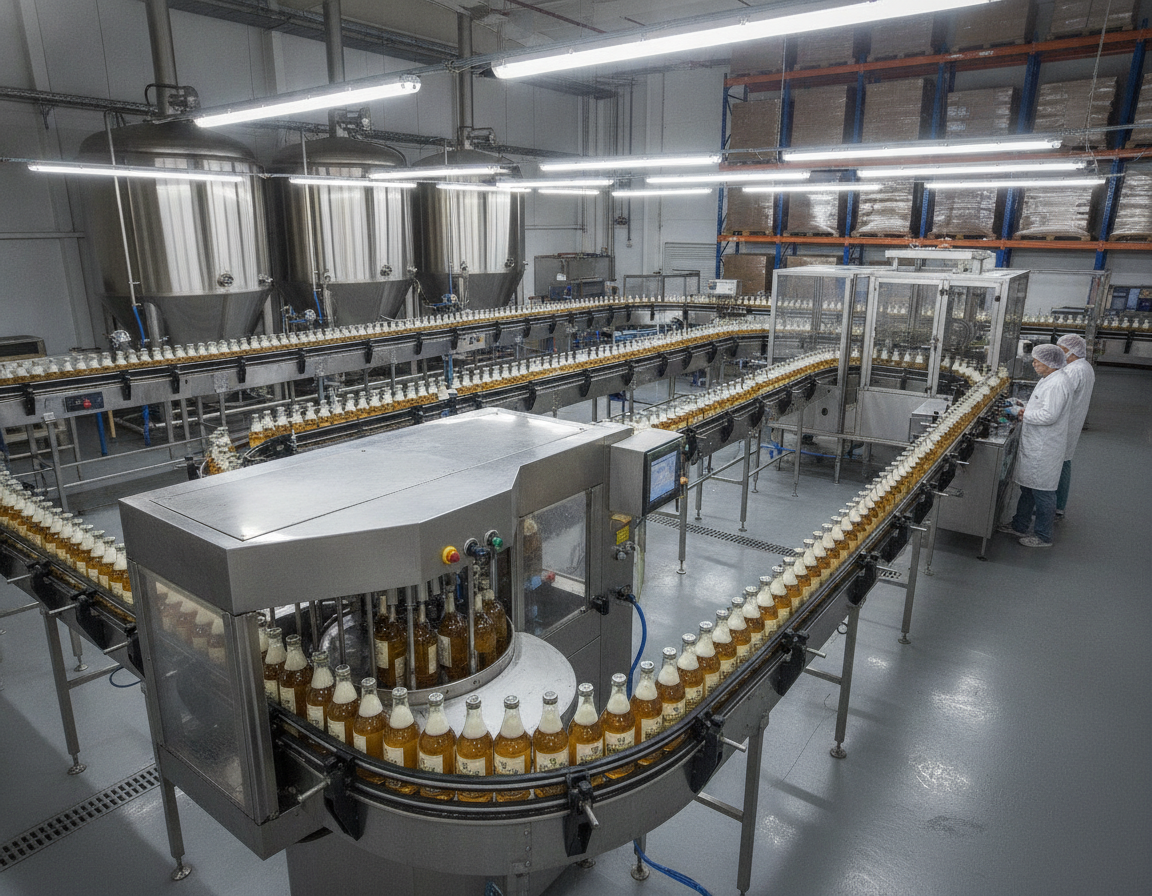
Modern brewery bottling equipment uses mechanical precision and sanitary controls to protect beer quality. Small breweries and larger facilities both depend on coordinated bottling line components. These components support bottles are moved, filled, sealed, labeled, and packed with consistent results. Investing in suitable equipment can reduce labor, minimize breakage, and help meet retail and regulatory standards.
Key Line Parts And What They Do
A depalletizer unloads bottles from tall pallets and feeds them into the line with controlled handling. Machines like the TES STM DPL-S-GLASS-6 are designed for full-height pallets, reducing manual handling and breakage risks. This smooth bottle flow is critical for all subsequent steps.
Fillers and cappers complete the filling and closure stages. The STM ArrowGlass 24/24/6 ISO BEER uses double pre-evacuation to limit oxygen pick-up. Cappers and corkers then close the bottles, preserving carbonation or sealing non-carbonated beverages.
Labelers position branding in a consistent way. Self-adhesive three-head labelers can place front, back, and neck labels with precision. Cartoners and palletizers then organize bottles, with wrap-around machines such as the Atlanta Packaging Rafaello packing bottles into boxes and robotic systems stacking cases for transport.
Automated Vs Semi-Automated Bottling Systems
Fully automated lines support high throughput for regional and national production needs. STM group examples can reach rates near 6,500 bottles per hour. Automation cuts manual steps and increases output predictability.
Semi-automated and manual setups are often more practical for craft breweries and start-ups. They bring lower capital expense and simpler maintenance. Although throughput is lower, the flexibility and lower upfront investment appeal to small operators searching for Beer Equipment For Sale.
Component Effects On Quality And Oxygen Control
Each bottling element influences shelf life and sensory quality. The depalletizer protects glass and minimizes particulate risks. Accurate fillers and cappers control dissolved oxygen and headspace, helping preserve aroma and flavor.
Sanitation steps such as hot-water fobbing and timely changeovers support bottle necks and seals. Inline fill-level inspection and checkweighers confirm pack integrity and retail compliance. The right bottling line components shape product consistency and the brewery’s scalability.
- Depalletizer: gentle transfer from pallet to line
- Fillers and cappers: oxygen control and secure closures
- Labelers: apply branding accurately and consistently
- Cartoners: arrange bottles into stable cases
- Palletizers: efficient stacking for shipping
How To Choose Beer Bottling Filling And Sealing Technology
The selection of filling and sealing technologies is critical for maintaining product quality and shelf life. Small breweries and larger operations both gain efficiency by matching Brewery Bottling Equipment to beer style, production volume, and sanitation standards. The optimal combination of glass bottle fillers, capping methods, and sanitation protocols minimizes oxygen absorption and preserves carbonation.
Glass Bottle Fillers And Oxygen Control
Modern glass bottle fillers use vacuum pre-evacuation and CO2 modulation to reduce dissolved oxygen levels. These systems use double pre-evacuation with vacuum pumps and CO2 purge valves to eliminate headspace oxygen before filling. Proportional main product valves support smoother fills, reducing foaming and minimizing CO2 loss.
Choosing Caps Or Corks For Different Beverages
Crown caps are the common closure for carbonated beer, while some brewers choose screw caps for ales that benefit from resealing. For still beverages such as wine and mead, corks and corking equipment are usually more suitable. Automatic cappers are well suited for high-volume production, while handheld or semi-automatic corkers are better suited for smaller batches and seasonal offerings. Ensuring proper closure torque and regular inspections is critical to prevent CO2 loss and minimize oxygen ingress.
Sanitation And Hot-Water Fobbing Between Fills
Consistent and verifiable sanitation in bottling is critical. Hot-water fobbing applies high-temperature water to bottle necks and rims, helping reduce microbial contamination between fills. Many fillers build in fobbing stations into their carousel for continuous hygiene. For smaller operations, no-rinse sanitizers such as One Step support a simpler manual sanitation process while maintaining safety standards.
| Technology | Best for | Primary advantage | Usual scale |
|---|---|---|---|
| CO2 purge and vacuum pre-evacuation | Carbonated beer lines | Minimizes headspace oxygen and protects flavor | Mid-size and large breweries |
| Controlled product valves | Foamy or highly carbonated beverages | Smooth fills reduce foam and CO2 loss | Small to large lines |
| Automated capping systems | Fast commercial packaging | Reliable torque and faster closure rates | Production breweries |
| Semi-automatic corkers / handheld cappers | Microbreweries and seasonal runs | Affordable and flexible operation | Small-scale production |
| Hot-water fobbing stations | All lines requiring inline sanitation | Reduces contamination between fills | Medium to large; adaptable for small lines |
Opting for Beer Brewery Equipment that harmonizes glass bottle fillers with appropriate capping options and robust sanitation protocols enhances flavor stability and reduces returns. A careful selection process strengthens packaging integrity and helps safeguard brand reputation.
Tools And Supporting Equipment For Small Brewers And Homebrewers
Accurate bottling needs the right equipment. Small batches need simple, sanitary, and reliable gear. As production volume grows, the need for more advanced tools also increases.
Key Kits And Tools
Auto-siphons, siphons, and tubing speed up liquid transfer. Funnels and bottle fillers promote cleanliness. For more consistent headspace, use a gravity bottle filler or bottling wand.
Manual capping kits are well suited for small bottling runs. Flip-top caps work well for kombucha and some farmhouse-style ales. Always use food-grade tubing and fresh caps or corks to create a tight seal and reduce spoilage risk.
Testing And Monitoring Tools
Hydrometers are necessary for checking gravity before bottling. They help confirm fermentation is complete and reduce over-carbonation risk. A calibrated hydrometer with temperature-correction charts supports accurate final-gravity readings.
For larger batches, a refractometer or digital gravity meter may be useful. These tools speed up sampling and logging, making them indispensable for precision.
Choosing And Buying The Right Bottling Kits
When searching for Beer Equipment For Sale, compare 1-gallon and 5-gallon bottling kits. Some kits also include wine and mead components, along with kombucha supplies such as flip-top bottles and strainers. Compare kits based on material, fittings, and whether they include caps or corks.
Start with a compact bench kit for occasional bottling. As production increases, add semi-automatic fillers, manual cappers, or other upgrade tools. Reusing bottles after thorough cleaning and sanitation can reduce cost. Replace consumables such as caps, corks, and tubing regularly to maintain seal integrity. This balance ensures quality while managing budget constraints.
| Tool | Ideal for | Key benefit | Usual price range |
|---|---|---|---|
| Automatic siphon | Homebrew and pilot-size batches | Cleaner transfer with less handling | About $10–$25 |
| Food-grade tubing | Home and commercial brewers | Food-safe transfer and easy routing | $5–$30 |
| Bottling wand or gravity filler | Homebrew and pilot lines | Better headspace control and less splashing | Usually $15–$50 |
| Hand capping kit | Short production runs | Cost-effective, reliable seals | About $20–$70 |
| Fermentation hydrometers | Fermentation monitoring | Confirm final gravity before bottling | About $8–$40 |
| Bottling kits 1 & 5 gal | Beginners and teaching setups | Convenient kit for first bottling runs | $30–$120 |
Quality Control, Labeling, And Packaging Integration
Combining quality control, labeling, and packaging promotes a smoother production process. Modern Brewery Bottling Equipment uses sensors, checkweighers, and label systems to catch defects early. This approach limits bottlenecks and safeguards the brand’s reputation by matching speeds across each station.
Fill-Level Inspection And Checkweighers For Consistent Pack Integrity
Automated fill-level inspection systems confirm the correct volume in every bottle. Photoelectric and laser sensors detect bottle tops and meniscus positions to identify underfills. Checkweighers then confirm the case weight, spotting missing or broken bottles before pallets leave the line.
Labeling Technologies: Self-Adhesive Three-Head Labelers For Front/Back/Neck Labeling
Newtec-style self-adhesive three-head labelers can place front, back, and neck labels in a single pass. This labeling technology cuts handling and ensures tight registration. Proper label application helps satisfy regulatory needs and maintains crisp graphics for both craft and mainstream brands.
Air Knives, Drying, And Wrap-Around Cartoning Considerations
Air knives dry bottle surfaces after rinsing or hot-water fobbing, improving adhesive bonding and reducing label slip. Wrap-around cartoners, including Atlanta Packaging units, run at steady packaging speeds. Cartoning must be matched to filler and labeler throughput. For downstream automated palletizing, consider carton dimensions, board grade, and case orientation.
Ensuring balance among fill-level inspection, labeling, and cartoning helps keep Beer Brewery Equipment lines efficient. When every element is sized properly, uptime improves and product returns decline. Investing in integrated controls strengthens pack quality and minimizes manual interventions.
Installation, Parts, And Supply Chain Considerations
Reliable supply chains are important for breweries of all sizes to maintain production and protect profit margins. Choosing vendors with strong reliability and fast parts availability is essential. That approach reduces Brewery Bottling Equipment downtime and can shorten warranty repair delays. Small adjustments to inventory policies can prevent a single broken part from halting production.
When choosing reliable suppliers, begin by verifying lead times, technical support, and customer service responsiveness. Inquire about their stock levels for common wear parts, shipping options for urgent orders, and documented response times for technical support. Opt for partners who cater to both large production lines and craft breweries. They understand the need for spare parts for bottling and routine maintenance.
Installation Parts Supply provides plumbing components and bottling consumables for filler and wash systems. They offer tubing, fittings, valves, gaskets, and O-rings from reputable brands. This helps enable quick repairs and reduces contamination risks. Using a specialist source can reduce time and improve compatibility with existing equipment.
Build a preventive maintenance schedule that includes critical spare parts and replacement intervals. Track consumables and wear items such as caps, corks, tubing, gaskets, O-rings, and sanitizers. Keep fast-moving consumables in stock and plan longer lead times for specialty components such as fill valves and vacuum pumps.
Inventory planning is improved by a simple parts table. It sets out priority, recommended on-hand quantity, and typical lead time. This helps production managers and maintenance technicians make faster, more cost-effective buying decisions.
| Component Category | Stocking Priority | Recommended Stock | Expected Lead Time |
|---|---|---|---|
| Bottle caps and crown closures | Critical | Four weeks of production | One to three days |
| Tubing and fittings | Very high | Two to four sets per filler | Two to seven days |
| O-rings and gasket kits | Very high | One assorted kit per machine | 3–10 days |
| Filling valves and sensors | Moderate | One spare per line | Usually 1–4 weeks |
| Vacuum pumps, motors, and drives | Important | One per facility or covered under service contract | Usually 2–8 weeks |
| Cleaning chemicals and sanitizers | Critical | 30 days’ usage | Usually 1–5 days |
Preventive planning should cover supplier contacts and a parts hierarchy for emergency escalation. Keep supplier phone and email details near the maintenance plan. Train staff to perform fast part swaps for known wear items to reduce mean time to repair.
Online marketplaces and specialty dealers offer Beer Equipment For Sale and a wide range of bottling consumables. Use both local distributors and national suppliers to balance cost, delivery speed, and availability. This mixed approach helps manage risk when specialty-item lead times stretch beyond normal planning windows.
Regular review of usage patterns and vendor performance supports better reorder levels. Track failure modes and update stocking policies based on real wear rates. Clear documentation and reliable suppliers help keep Brewery Bottling Equipment running and reduce unplanned downtime caused by missing spare parts for bottling.
U.S. Bottling Equipment Cost, ROI, And Market Demand
Deciding between a fully automated line and gradual upgrades is an strategic choice. Small brewers commonly begin with a bench Beer Bottling Kit. As volume grows, they often add semi-automated modules. This approach lowers initial risk and lets brewers access Beer Equipment For Sale as growth accelerates.
Full Capital Purchases Vs Incremental Investments
Fully automated lines require substantial capital investment. A complete system uses fillers, cappers, labelers, and cartoners, like STM GROUP’s 6,500 bottles/hour setup. Startups that choose modular Beer Bottling Kits can delay larger purchases. They can adjust capacity based on actual sales.
U.S. Market Trends Through 2035
Between 2015 and 2024, demand for Beer Bottling Kits has grown at a steady pace. This growth is connected to craft brewing expansion and regional packaging demand. The market forecast USA suggests continued interest in modular Brewery Bottling Equipment through 2035. Regional breweries and co-packers often plan upgrades around sales growth, awards, and trade group reports.
ROI Modeling And Throughput Planning
Estimate equipment size and ROI using realistic line figures. For instance, at 6,500 bottles/hour, running 250 days/year, and 16-hour shifts, annual volume reaches millions of bottles. Combine that volume with average pack size and gross margin per unit to estimate ROI. Wrap-around cartoners, at ~15 ppm, shape final pack throughput and labor needs.
Align equipment with realistic demand. Oversizing consumes capital and increases operating costs. Undersizing limits sales and may force costly upgrades sooner than planned. Monitoring uptime, maintenance intervals, and spare-part availability enhances ROI and protects margins.
When buying, compare Beer Equipment For Sale listings and evaluate total cost of ownership. Evaluate lead times, warranty terms, and supplier reputation. This approach limits surprises and aligns investments with the market forecast USA.
Decision models that compare capital expense with incremental demand support better cash-flow planning. Use benchmarks, conservative uptime estimates, and realistic sales growth to evaluate payback periods and funding needs.
Brewery Bottling Equipment Summary
Selecting the right Brewery Bottling Equipment is essential for product quality, shelf life, and brand presentation. From entry-level homebrew kits to fully automated lines, suitable equipment can make a major difference. Features like vacuum pre-evacuation, CO2 modulation, and hot-water fobbing minimize oxygen pick-up and improve hygiene.
For small breweries and hobbyists, start with well-chosen Home Beer Brewing Equipment For Sale or bench kits. As demand grows, plan incremental upgrades. Choose Beer Equipment For Sale that can scale without sacrificing oxygen control or sanitation.
Keep spare parts and consumables ready and work with reliable suppliers to cut downtime. Focus on systems that support brewery packaging optimization. Align your purchases with your throughput needs, quality-control features, and supplier support.
Informed buying supports a high ROI and helps U.S. breweries stay efficient through 2035 and beyond. It protects product integrity and brand reputation.
Related: Equipment Needs for Texas Commercial Land Clearing Services in Kaufman